Local
Head of JobsOhio board to be deposed in federal civil lawsuit against FirstEnergy
Josh Rubin advised FirstEnergy executives before Sam Randazzo's $4.3 million bribe was negotiated, then went on to chair DeWine's JobsOhio board.
Enter a search term to find stories.
Local
Josh Rubin advised FirstEnergy executives before Sam Randazzo's $4.3 million bribe was negotiated, then went on to chair DeWine's JobsOhio board.
Local
One economist calls the incentives a race to the bottom with few local jobs, while another says Ohio's $2.3 billion likely bought data centers it would have gotten free.
Local
Ohio's ethics law exempts campaign cash from conflict-of-interest rules, but Common Cause calls Heartland Bank's donations to Husted nearly legalized bribery.
Local
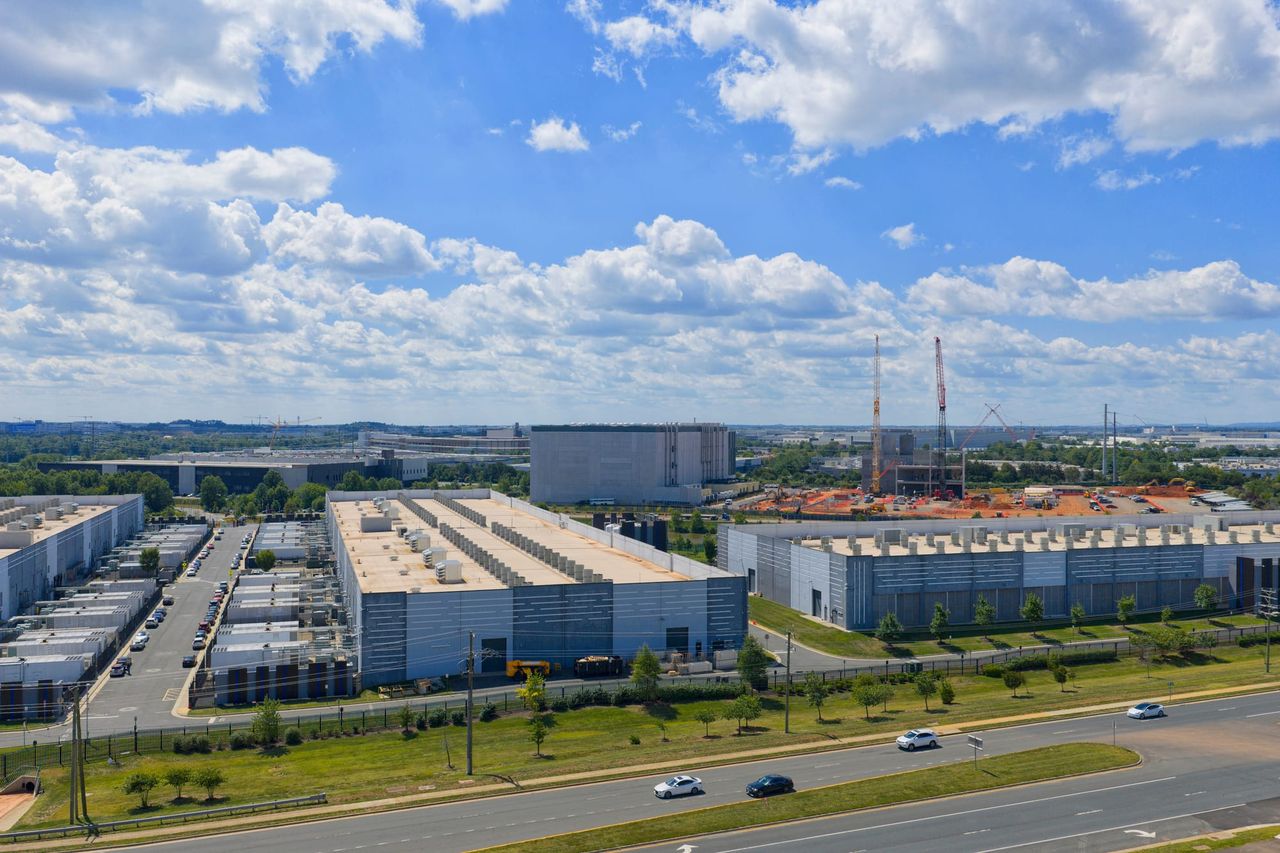
As other states slam the brakes on hyperscale data centers, Ohio already has nearly 18 gigawatts under contract with one utility alone. Ramaswamy wants the projects to keep coming.
Local
Husted also took campaign cash from Intel lobbyist Josh Rubin, whom DeWine named JobsOhio chairman while it steered millions to the company.
Local
Records show JobsOhio chairman Josh Rubin lobbied DeWine for Intel into 2026 while the agency weighs clawing back $27 million from the delayed chip plant.
Local
The Ohio Ethics Commission says Rubin's continued lobbying appears to contradict promises he made to DeWine's office before joining the JobsOhio board.
Local
Amazon, Meta, Microsoft and Google topped H-1B approvals in 2025 while collecting Ohio tax breaks Ramaswamy's incentive boards would keep extending.
Local
An attorney general candidate's ethics complaint alleges JobsOhio's board chair has lobbying ties to AEP, which could gain from pending nuclear legislation.
Local
Democratic candidate Kulewicz filed the complaint, alleging JobsOhio chair Josh Rubin steered a $100 million nuclear reactor fund to his lobbying client AEP.
Local
Ramaswamy's own financial disclosure shows $768,968 in capital gains in 2025—the exact income his proposal would exempt from state taxes.
Local
The bill would require JobsOhio to pay fair market value for future liquor franchise extensions worth billions, after lawmakers questioned whether the nonprofit truly delivers statewide economic benefits.